Office chair buying advice
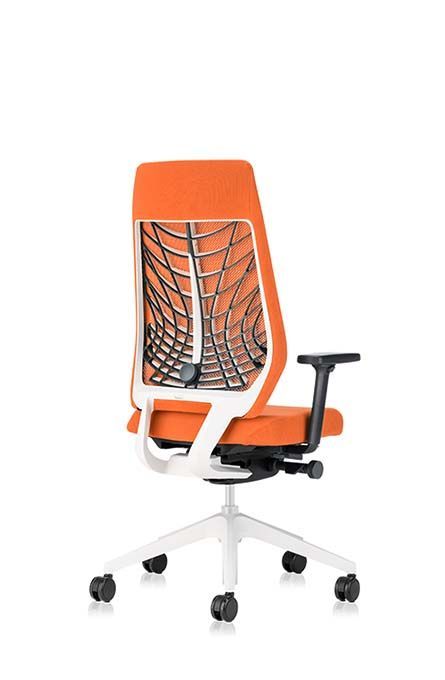
We spend 80% of our time at the office sitting down.
One third of absences are due to a lack of physical activity.
The right chair helps prevent back problems and dips in performance.
These types of office chairs are popular
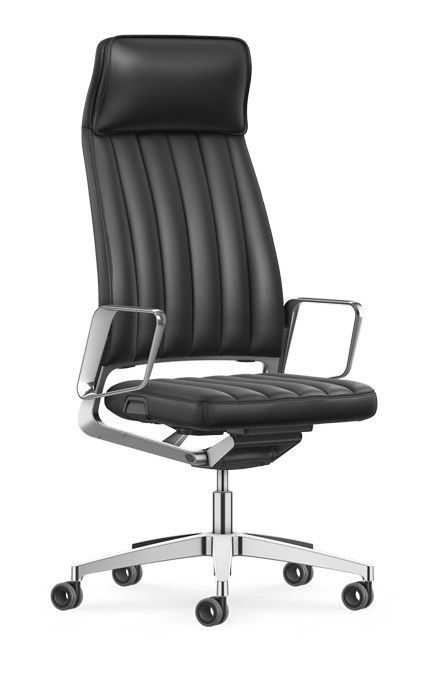
Executive Chairs
– Comfort and quality for your best decisions
Leadership calls for clarity, focus and determination. Your workplace should reflect these demands – starting with your chair. A true executive chair offers more than supreme seating comfort: it delivers first-class quality. Precisely adjustable mechanisms, ergonomic support and premium materials such as fine leather and polished aluminium provide the perfect foundation for your daily decisions.
Tip: Choose quality you can trust. When buying, look for recognised quality marks such as the GS mark or TÜV certification.
Active sitting
- promotes your health and helps prevent a sedentary lifestyle.
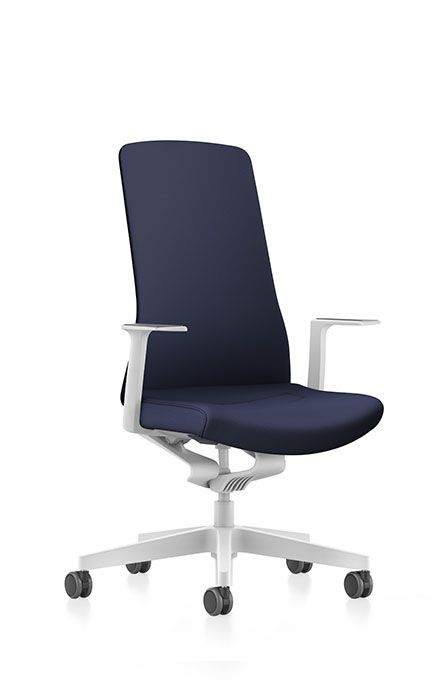
Specially designed office chairs support the spine’s movement while sitting rather than restricting it. This keeps your muscles and circulation active. Models with active seating concepts are especially recommended, such as the Löffler ERGO TOP mechanism, the Swopper by aeris, or the PUREIS3 by Interstuhl.
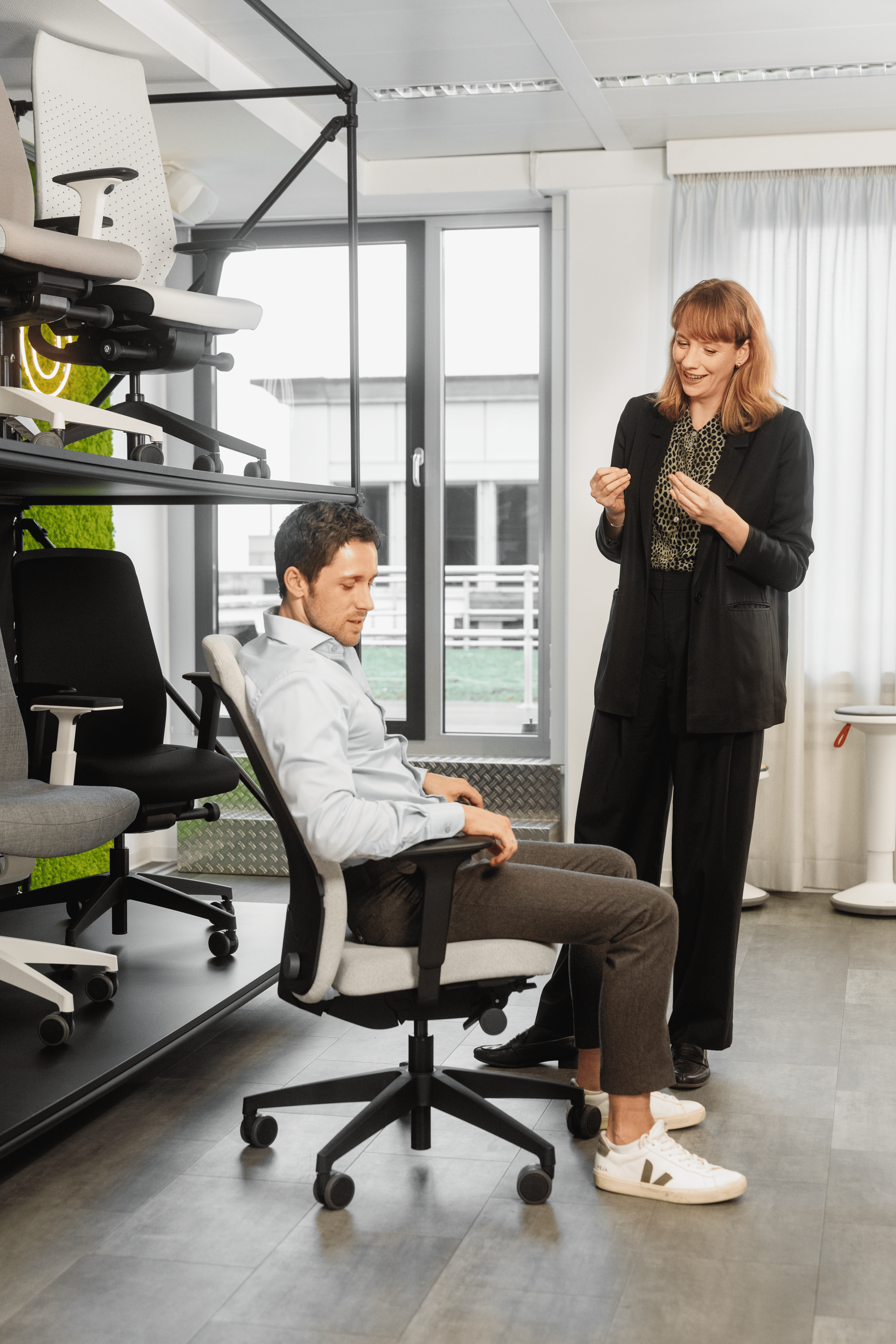
Tip: No ergonomic chair suits every back—so be sure to try it out before you buy!
Stools
– flexible, dynamic and practical
Stools can be divided into three categories:
- Active stools such as the Swopper encourage active sitting and movement.
- Sit-stand stools such as the muvman by aeris reduce strain during tasks performed mostly standing up or complement sit-stand desks.
- Multi-purpose stools such as the UPIS1 by Interstuhl are mobile all-rounders for impromptu meetings or quick tasks around the office.
Tip: Before you buy, consider whether you need an active sitting chair, a sit-stand stool or a versatile all-rounder!
XXL office chairs / heavy-duty chairs
– Comfort and stability for the highest standards
XXL office chairs, also known as heavy-duty chairs, offer especially robust solutions for users with a higher body weight. With reinforced gas lifts, extra-large seats and sturdy construction, they guarantee comfort, safety and long-lasting stability—even under intensive use.
Tip: Check the maximum weight capacity and ergonomic features to ensure comfortable, back-friendly seating, even during extended use.
Office chairs for open-plan offices
- identical chairs for different users
Office chairs for open-plan offices are usually identical and need to be quickly adjusted to suit different users. To retain their ergonomic benefits, the seat height, backrest and armrests should be easy to adjust. To stay within budget, these chairs are often manufactured in large quantities with fewer customisation options—but a more limited choice of colours does not affect their quality.
Tip: When buying an inexpensive office chair, don’t compromise on essential ergonomic features such as height adjustment, armrests and the mechanism. When in doubt, always try before you buy!
Visitor Chairs & Conference Chairs
– comfort for your guests
Visitor and conference chairs are essential for meetings, client conversations and events. They complement desk setups or are used around meeting tables.
Stackable models (“stacking chairs”) are ideal for seminars and events, while elegant leather-upholstered chairs are often used in high-end conference rooms.
Tip: Choose hard-wearing, easy-care materials and subtle colours – especially for areas with heavy use.
Spoilt for choice
Seat:
Choosing the right seat has a major impact on your comfort.
Standard chair
The classic molded foam seat is upholstered in fabric and offers a solid basic design without specific ergonomic features.
Intervertebral disc seat
The front of the seat is shaped to encourage an upright posture. At the same time, the back rises to support your pelvis—ideal for relieving pressure on the spinal discs.
Tailbone relief
A contoured seat cushion reduces pressure on the lower back and tailbone, helping prevent discomfort during prolonged sitting.
Pocket-sprung comfort seat
This technology, known from high-quality mattresses, provides point-elastic support and outstanding seating comfort, even after hours of work.
Our tip: If you spend a lot of time sitting, look for seating technologies designed to relieve strain on your body.
Mechanism:
The mechanism determines how well your chair adapts to your movements.
Permanent contact mechanism
A simple mechanism where only the backrest moves. Inexpensive, but not recommended for ergonomics.
Synchronous mechanism
The seat and backrest move in sync. This keeps your spine moving and relieves pressure on your intervertebral discs.
Glide-Tec mechanism
This keeps your distance from the desk and keyboard constant when you lean back. The seat gently follows your forward and backward movements, helping you maintain an ergonomic posture.
Our tip: Choose a synchronous or Glide-Tec mechanism to encourage ergonomic, dynamic working.
Ergonomics package:
A complete ergonomics package adjusts your office chair perfectly to your body measurements.
Seat depth adjustment
Adjusting the seat depth to suit different thigh lengths improves circulation in the legs and prevents pressure points.
Seat tilt adjustment
Lets you adjust the seat angle to suit your working posture. This helps keep your pelvis and spine in a natural, balanced position.
Lumbar support
Provides targeted support for the lower back and prevents poor posture in the lumbar region.
Our tip: The better your chair is adjusted to your body proportions, the more lasting the improvement to your wellbeing at work.
Office chair gas lift:
The gas lift adjusts your chair’s height—and does much more.
Standard gas lifts
Support up to 110–120 kg and are suitable for most users.
Special gas springs
Some manufacturers offer special gas springs for precise seat-height adjustment for particularly tall, short or lightweight people.
Lumbar support
Provides targeted support for the lower back and prevents poor posture in the lumbar region.
Our tip: Choose a gas spring to suit your body weight and height—this ensures comfort and a long service life for your chair.
Headrests, armrests and chair castors: comfort features that make all the difference:
Details such as headrests, armrests and castors play a key role in seating comfort.
Headrests
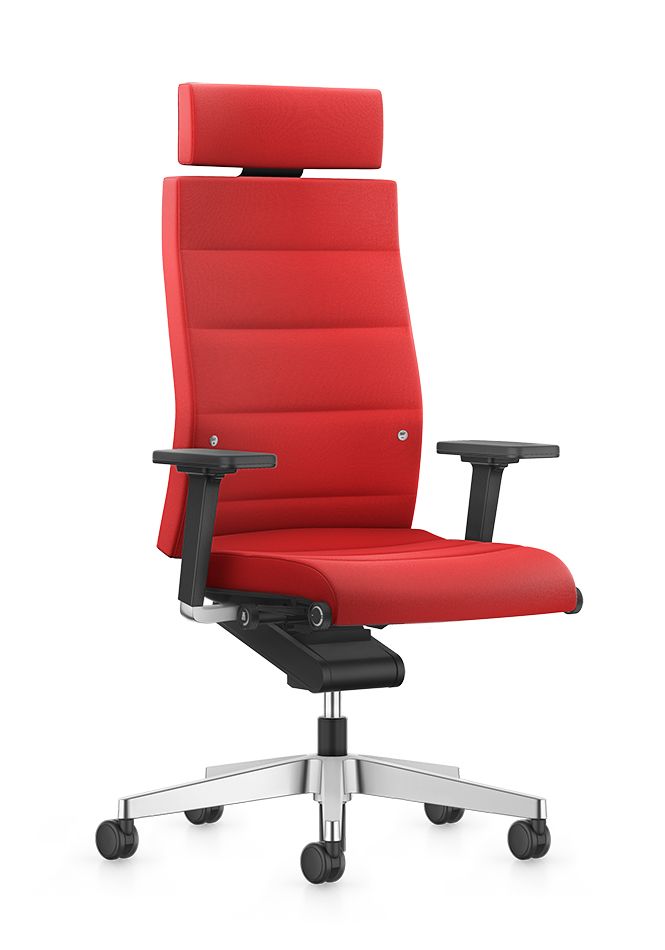
Particularly recommended for neck and shoulder problems. They relieve strain on the cervical spine and promote an upright posture.
Armrests
Important for ergonomic working. Properly adjusted armrests relieve strain on the shoulders and neck and make it easier to stand up.
Chair casters
Choose suitable castors for your floor covering—soft castors for hard floors, hard castors for carpets or universal castors for flexible use.
Our tip: Look for adjustable armrests and try models with a headrest if you tend to suffer from muscle tension.
Accessories:
The right accessories make your workstation even more ergonomic.
Floor protection mats
Effectively protect carpets, parquet and laminate flooring from wear caused by chair casters and reduce impact noise. Choose a model to suit your floor type—smooth underside for hard floors, anchor studs for carpet.
Footrests
Ideal for workstations with fixed-height desks. They improve posture, boost circulation and prevent cold feet.
Our tip: A footrest can also help prevent tension in your legs and back—especially if you’re shorter.
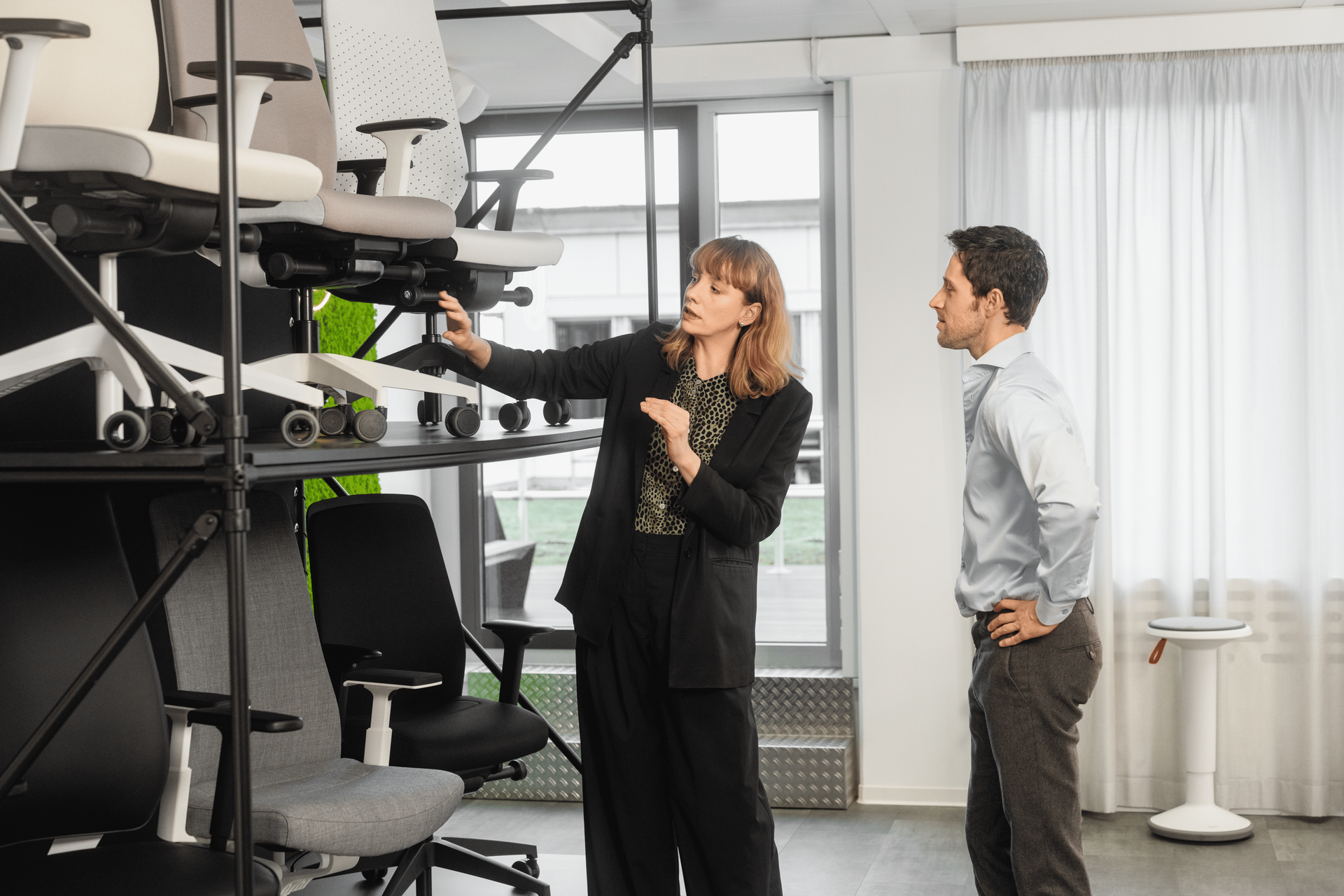
Try out office chairs in our Wiesbaden showroom and configure one to suit your needs!
Wiepa am Puls der Zeit