


Workplaces of the Future
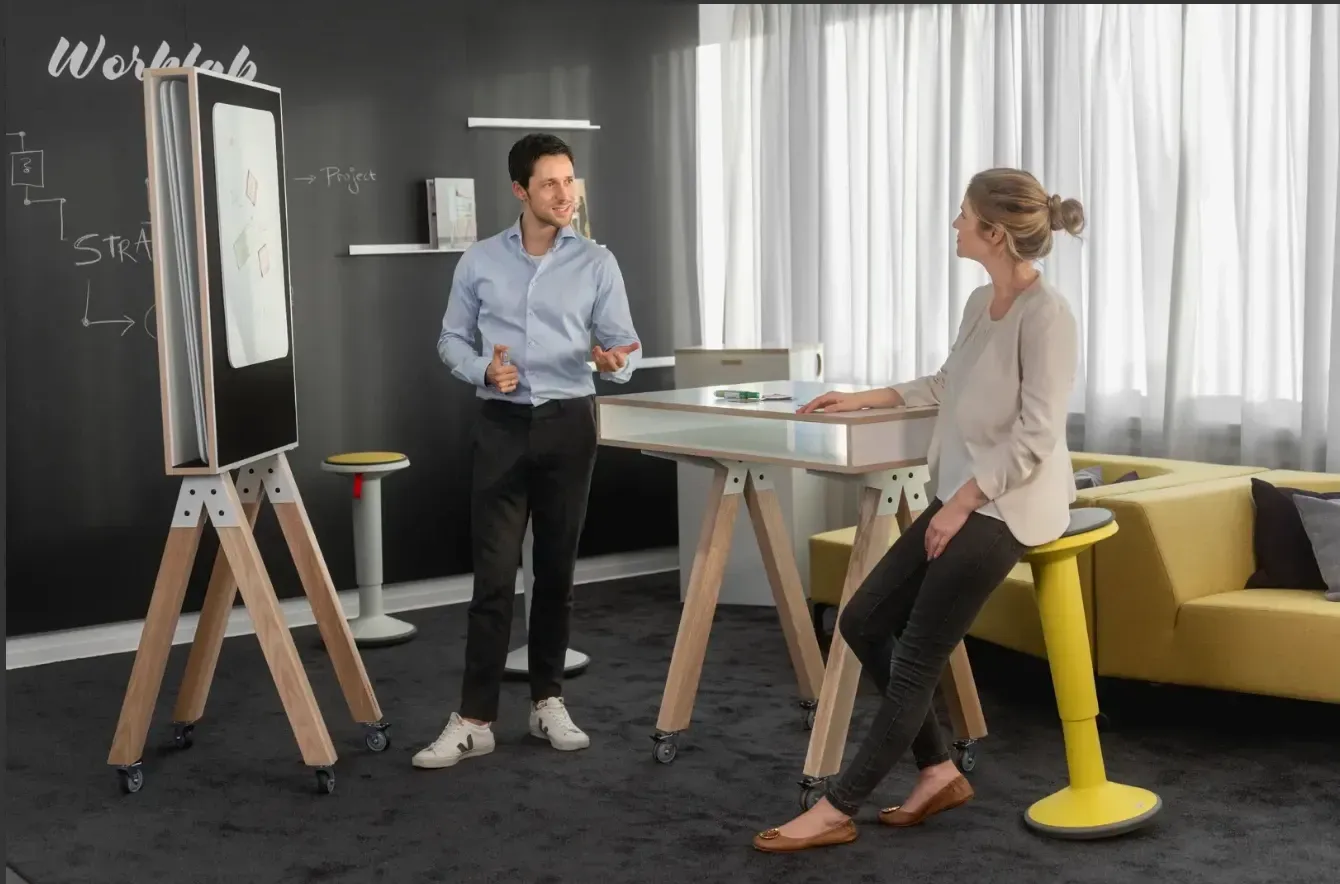
Workspaces in transition:
Tradition meets the future
The world of work is changing faster than ever: flexibility, creativity and wellbeing are now just as important as efficiency and structure.
New ways of working call for new architectural solutions. New architectural
Solutions create new working environments. We have the answer to increasing mobility and digital communication, non-territorial working, the democratization of office organization, and the growing need for human interaction and personal dialogue.
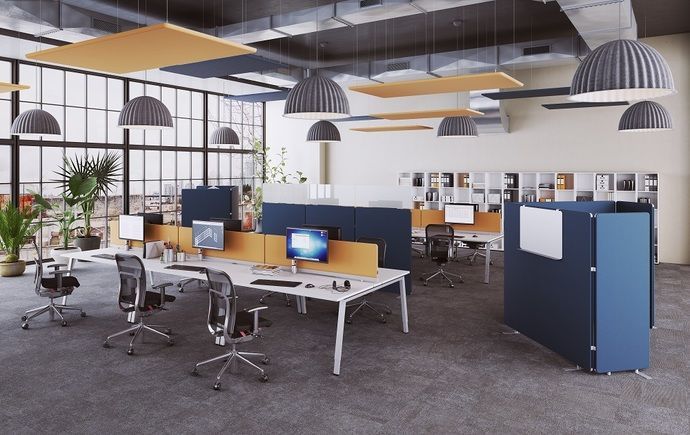
Whether integrated into open-plan offices, reception areas or lounges, we improve acoustics and make office life more relaxed. We plan modular room systems that redefine collaboration and inspire experimentation. We guide you towards a modern workplace tailored to your needs—aligned with your company culture and your teams' needs.
Our topics in detail:
Home office and mobile working – making flexibility work smarter
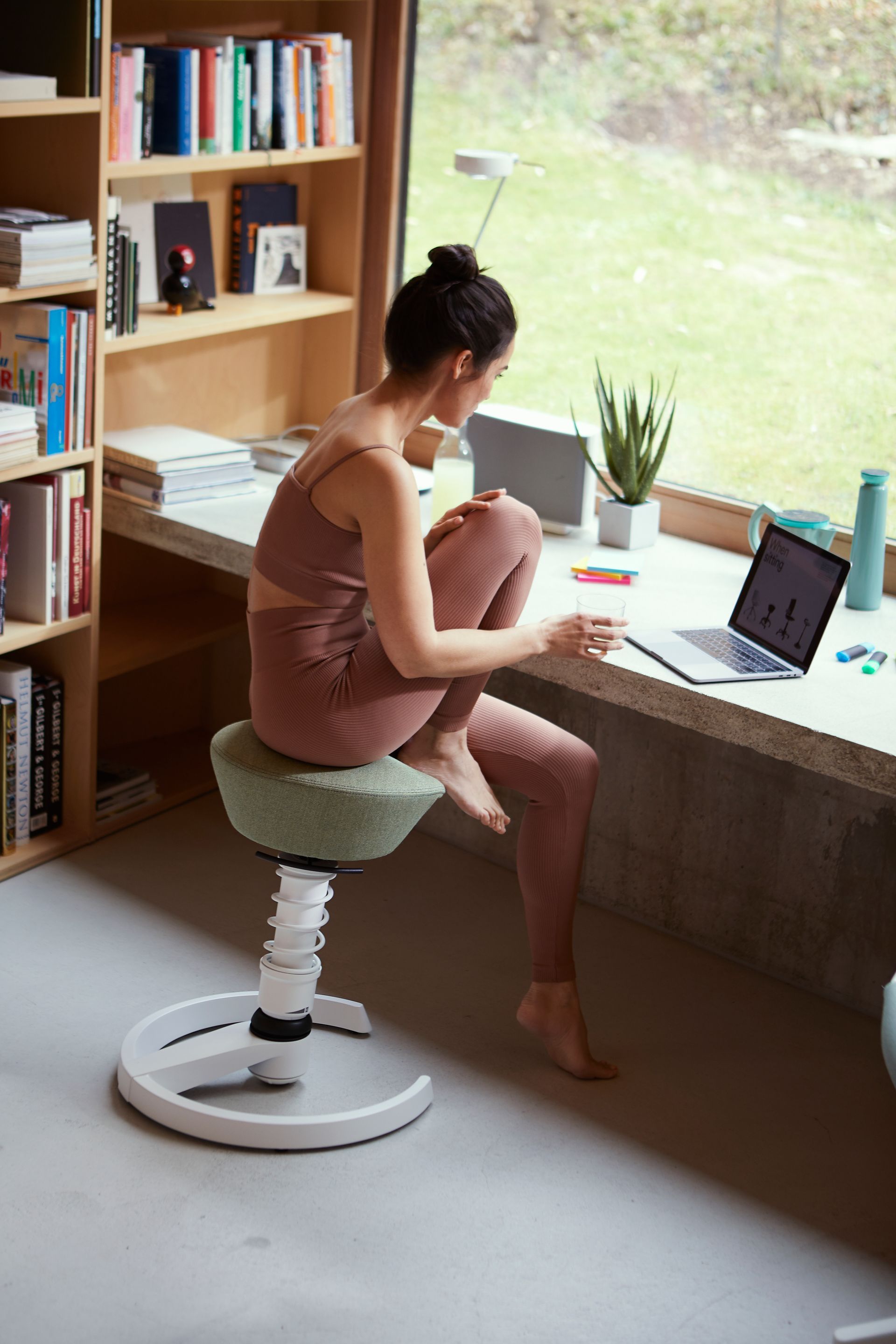
Working from home is here to stay. But the kitchen table isn’t a workspace. Ergonomic desks, compact seating solutions and functional technology are the foundation for healthy, productive work from home.
We help you set up home offices that support your employees’ ergonomics and efficiency.
You can find interesting blog articles on this topic here:
Hybrid workspaces
– Flexibility instead of rigid concepts
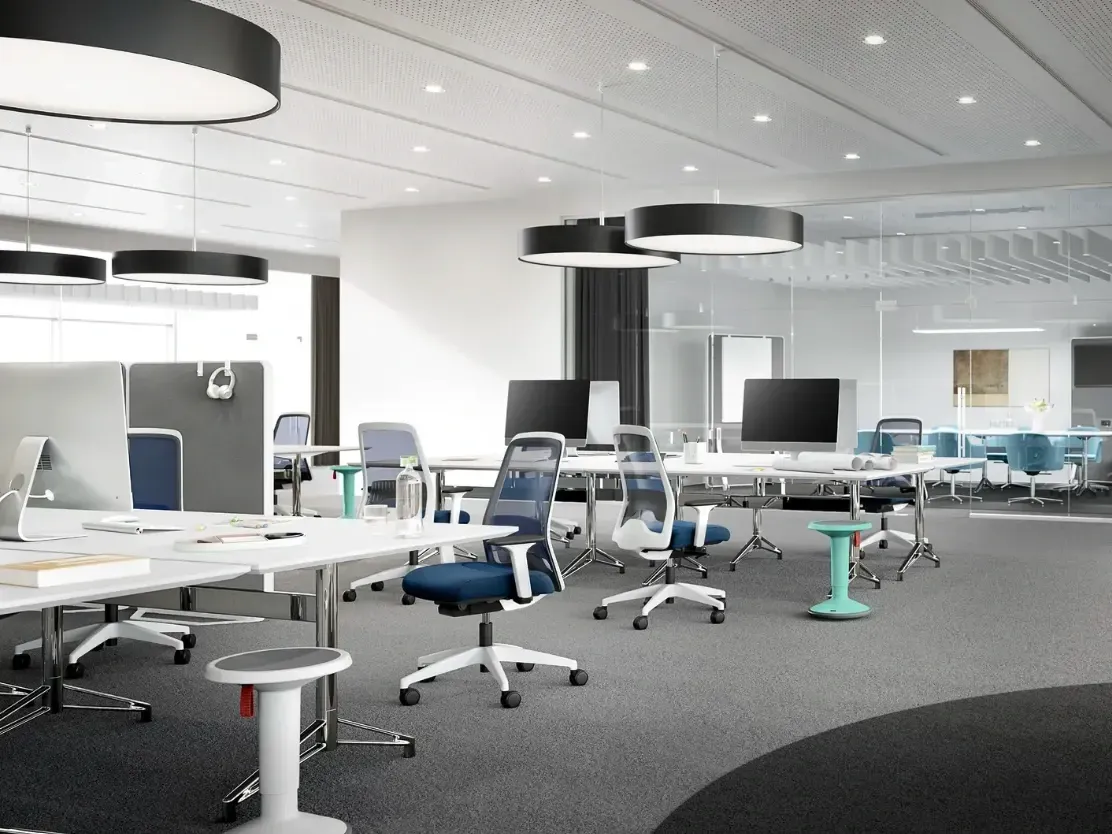
Hybrid working combines the benefits of the office and working from home: focus at home, team spirit in the office.
This requires flexible desk solutions, mobile technology and meeting rooms that also include virtual participants effectively.
We work with you to develop hybrid workspace models that adapt to your changing needs.
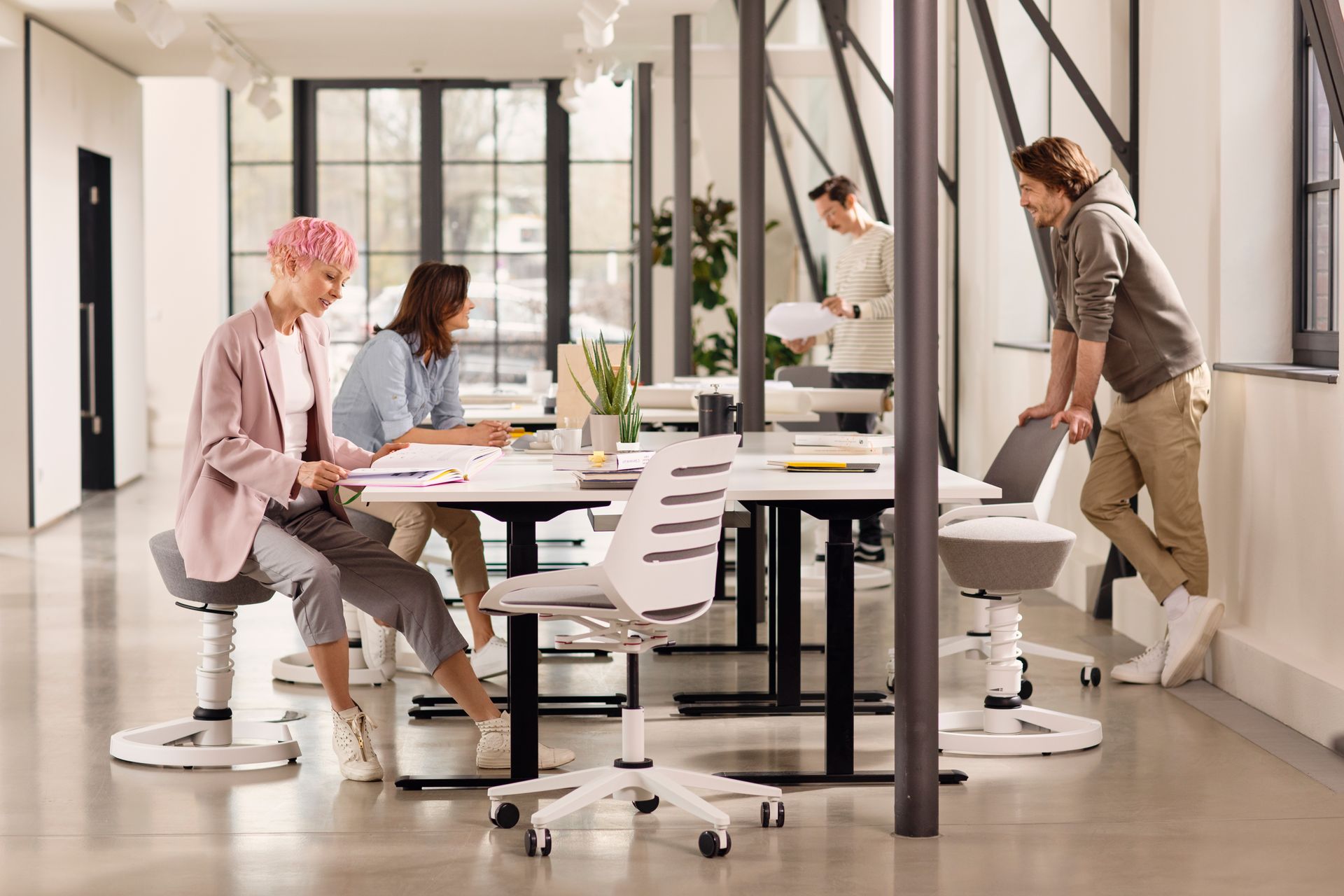
Your path to a future-ready office
01. Assessment of your current work environment
02. Developing Custom Workplace Concepts
03. Implementation with modern office furniture, acoustic and lighting solutions
04. Support with transformation projects towards hybrid working environments
Why Wiepa?
Personal advice from experienced workplace experts
Tailored solutions for businesses of every size
Putting modern concepts into practice, including New Work, hybrid working and coworking spaces
Improves employee satisfaction and makes you a more attractive employer
Future-proof your workplace. With Wiepa. In Wiesbaden and the surrounding area.
Your questions, our answers
When does my employer have to pay for my home office?
Whether an employer must pay for working from home depends on the employment contract or an individual agreement. If working from home is mandatory or the employer requires employees to work from home, the employer often must also provide or subsidize the necessary equipment. Without such an agreement, employers are generally not required to provide furniture or technology for a home office.
What home office expenses can I deduct from my taxes?
Home office costs can be claimed for tax purposes in two ways:
Home office tax allowance: You can claim a flat rate of up to €1,260 per year, even without a separate home office.
Claiming a home office as a tax deduction: If you use a dedicated home office, you may be able to deduct a proportion of your rent, electricity and furnishings, provided the room is used almost exclusively for work. You can also claim individual purchases such as desks, chairs or lamps directly as business expenses.
Which office furniture is suitable for people with obesity?
For people with a higher body weight, specially reinforced ergonomic chairs designed to support a higher maximum weight are recommended. Height-adjustable desks and individually adjustable backrests also provide better support and greater comfort. You’ll find all of these at our showroom in Wiesbaden.
What exactly is agile working?
Agile working encompasses a range of different methods, all with one goal: to respond to change flexibly, efficiently and quickly.
Our world is moving faster and faster. Almost every day, we face new developments, insights and challenges. In this climate, flexibility is no longer optional for businesses—it’s essential to stay competitive.
Agile work organisation promises more efficient processes. When implemented well, it does something much greater: it creates a mindset and working culture that can adapt at any time to constantly changing requirements.
Who is agile working suitable for?
The good news is that every business can work agilely! There are methods to suit every size, shape and type of organization.
The bad news is that we aren’t automatically agile (or stay that way) just because we use an agile working method. But it can be our ticket to embracing agile attitudes and values in our organization.
Does all of this seem a little too big or complicated? Don’t worry. Small and medium-sized businesses in particular can benefit from agile working methods. They’re nimbler and more flexible than large corporations, can quickly try things out and are less likely to get bogged down by administrative hurdles.
Nor does it necessarily require a major financial investment. We can gradually explore many techniques or simply test a particular approach on a small scale for an afternoon. Innovation succeeds when managers and employees can bring agile ideas and attitudes into the business—and that means the most important step has already been taken.