


Ergonomic solutions for your office
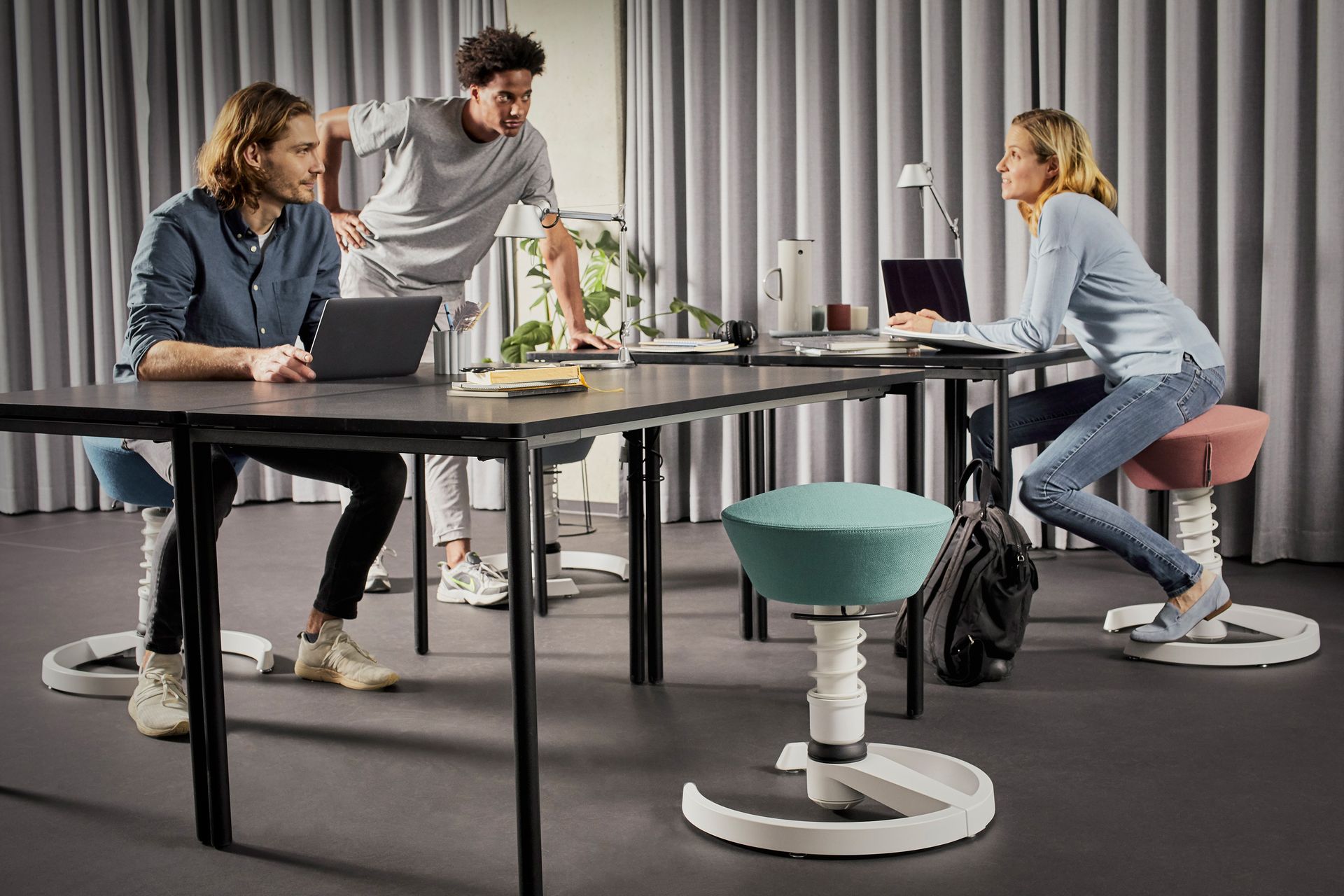
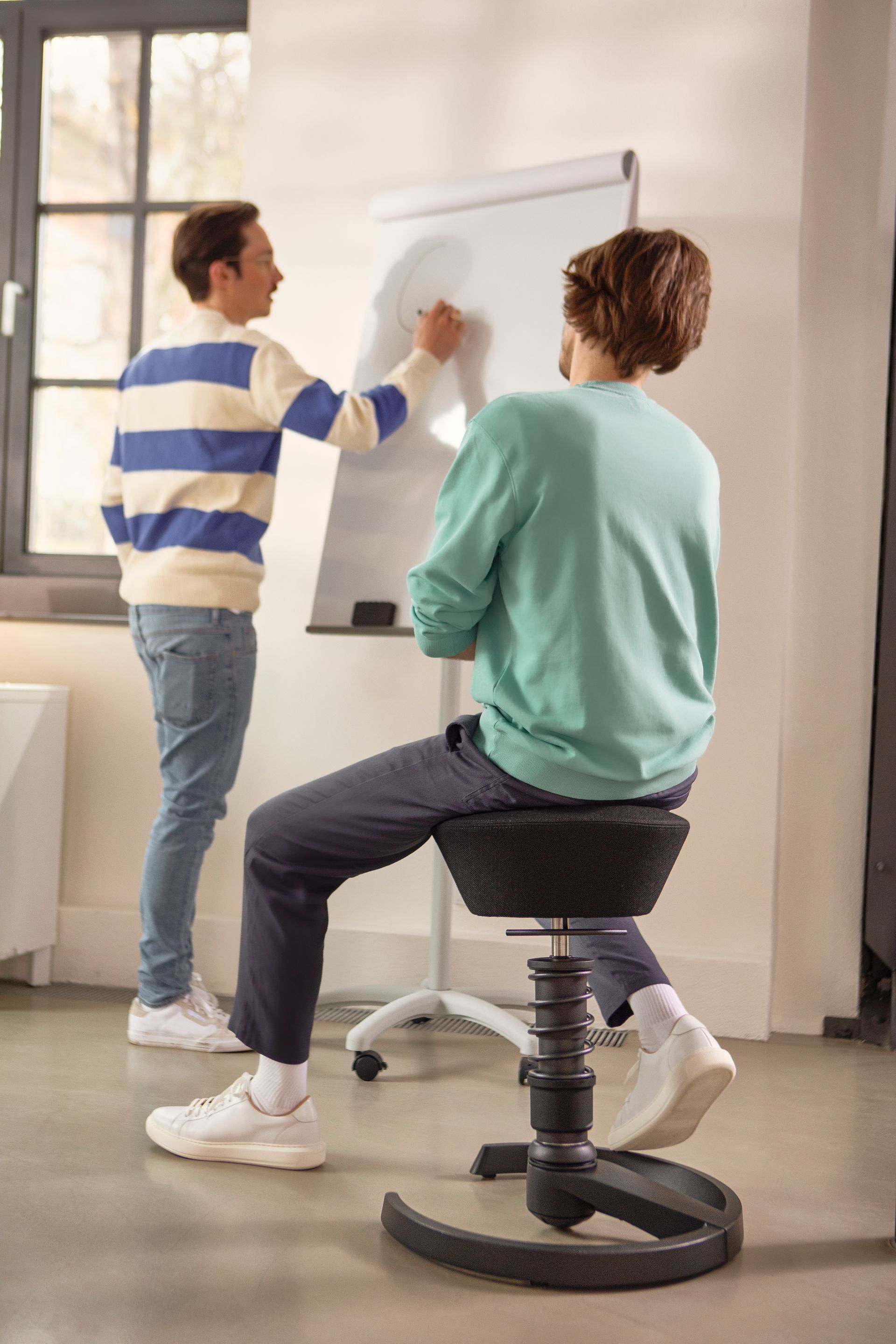
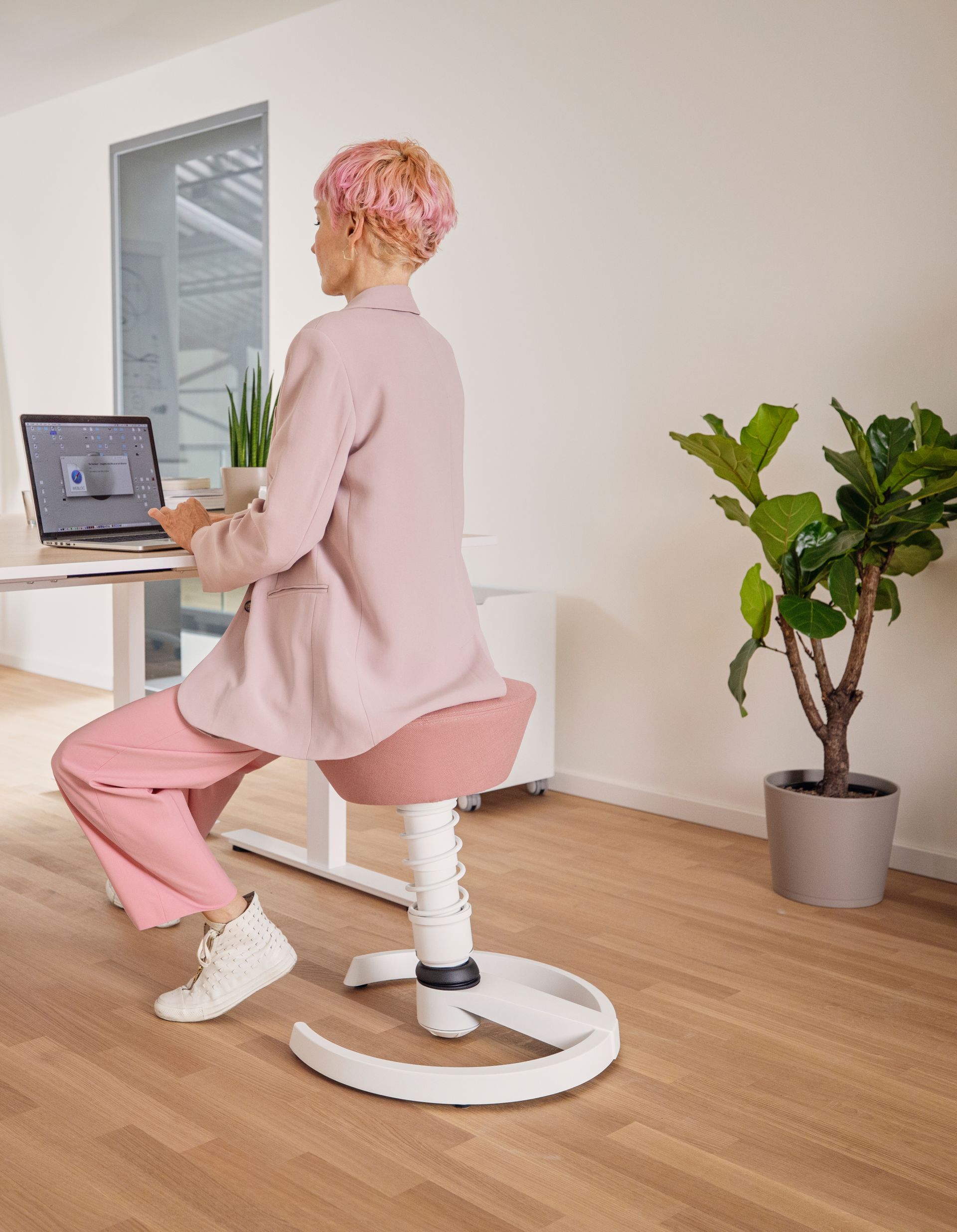
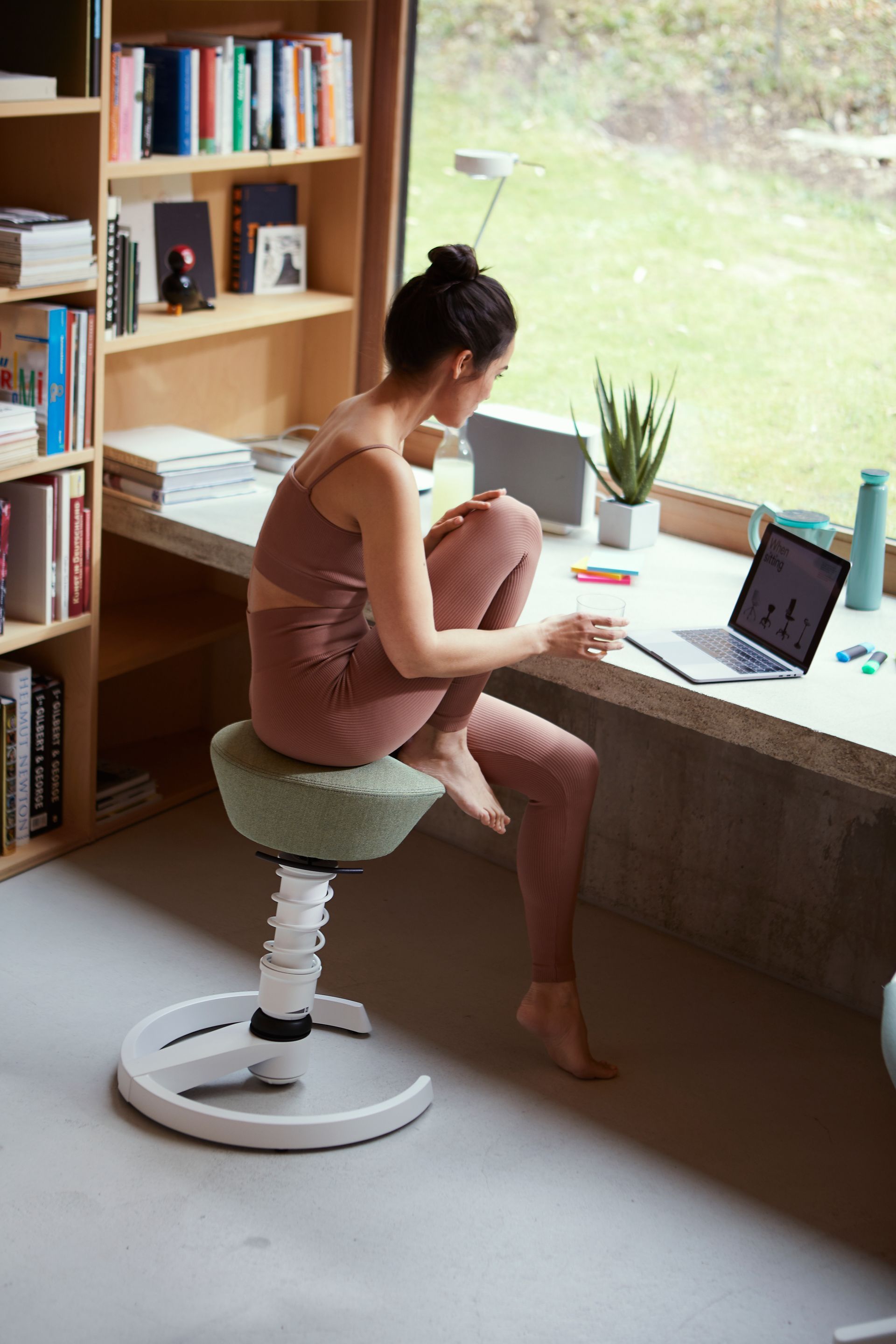
Ergonomics is more than a trend
It is the foundation for healthy, motivated and high-performing employees.
The term ergonomics is derived from the Greek words “ergon,” meaning human work, and “nomos,” meaning law or order. Ergonomics is the branch of work science concerned with adapting technology and the working environment to people.
The workplace is where most people spend a large part of their day.
Our expertise helps us design workplaces where healthy, satisfying and creative work can thrive.
We’d be happy to advise you in person in Wiesbaden and find a solution tailored to your needs.
Why is office ergonomics so important?
Reduces physical discomfort such as back or neck pain
Boosts concentration, motivation and productivity
Reduces sick leave
Improves the overall well-being and satisfaction of employees
Brands available at our showroom in Wiesbaden




Our expertise – your benefits
Many years of experience in office furnishings and ergonomics
Personal on-site consultation in the Rhine-Main area from our specialists
Tailored concepts—customized for your workspaces
Partnerships with leading brands
At Wiepa, we’re also your certified IGR Competence Partner in Wiesbaden, Mainz and the surrounding area!
So what are you waiting for? Stop by our branch in Wiesbaden today for a consultation.
Your questions, answered
What does ergonomic working mean?
Ergonomic working means designing the workplace to adapt to people. This includes height-adjustable desks, ergonomic chairs and proper lighting.
What are the benefits of ergonomic working?
Good ergonomics promotes health, prevents postural problems and improves concentration. Companies benefit from fewer sick days and more motivated employees.
How can I make my workspace more ergonomic?
A professional workplace assessment at our Wiesbaden location quickly identifies opportunities for improvement—from seating and desk height to lighting.
Can ergonomic sitting help with back pain?
Yes, ergonomic seating can significantly ease or even prevent back pain. Ergonomic office chairs and height-adjustable desks encourage healthy posture, relieve pressure on the spine and engage the back muscles. Individually adjustable seat height, backrest and lumbar support help reduce poor posture and provide optimal support for the intervertebral discs. It’s also important to change your sitting position regularly and build movement into your working day.
Do I need an ergonomic desk as well as an ergonomic chair?
Yes, an ergonomic chair only reaches its full potential when paired with a suitable ergonomic desk. A height-adjustable desk lets you set the work surface to suit your height and sitting posture. This not only reduces strain on your back, but also helps prevent neck and shoulder pain. The right combination encourages more movement throughout the day and supports healthy posture.
What is an ergonomic chair?
An ergonomic chair is specially designed to support the body in a natural posture. It adapts to the user’s individual needs with features such as adjustable seat height, backrest and armrests, as well as built-in lumbar support. Ergonomic chairs encourage active sitting, relieve pressure on the spine, and help prevent tension and back pain.
What is an ergonomic desk?
An ergonomic desk promotes healthy posture by adapting to your height and movements. Ergonomic desks are often height-adjustable, allowing you to switch between sitting and standing. The right desk height reduces strain on your shoulders, neck and back, and encourages dynamic, movement-friendly working.
How many hours of sitting per day make an ergonomic chair worthwhile?
An ergonomic chair is recommended if you sit for around two to three hours a day. If you sit for longer—at the office or working from home, for example—you’ll benefit even more: after four to six hours a day, ergonomic seating is almost essential to help prevent back problems, tension and poor posture. Ergonomic chairs actively support your back, encourage movement while sitting and contribute significantly to greater wellbeing and productivity.
Wiepa am Puls der Zeit
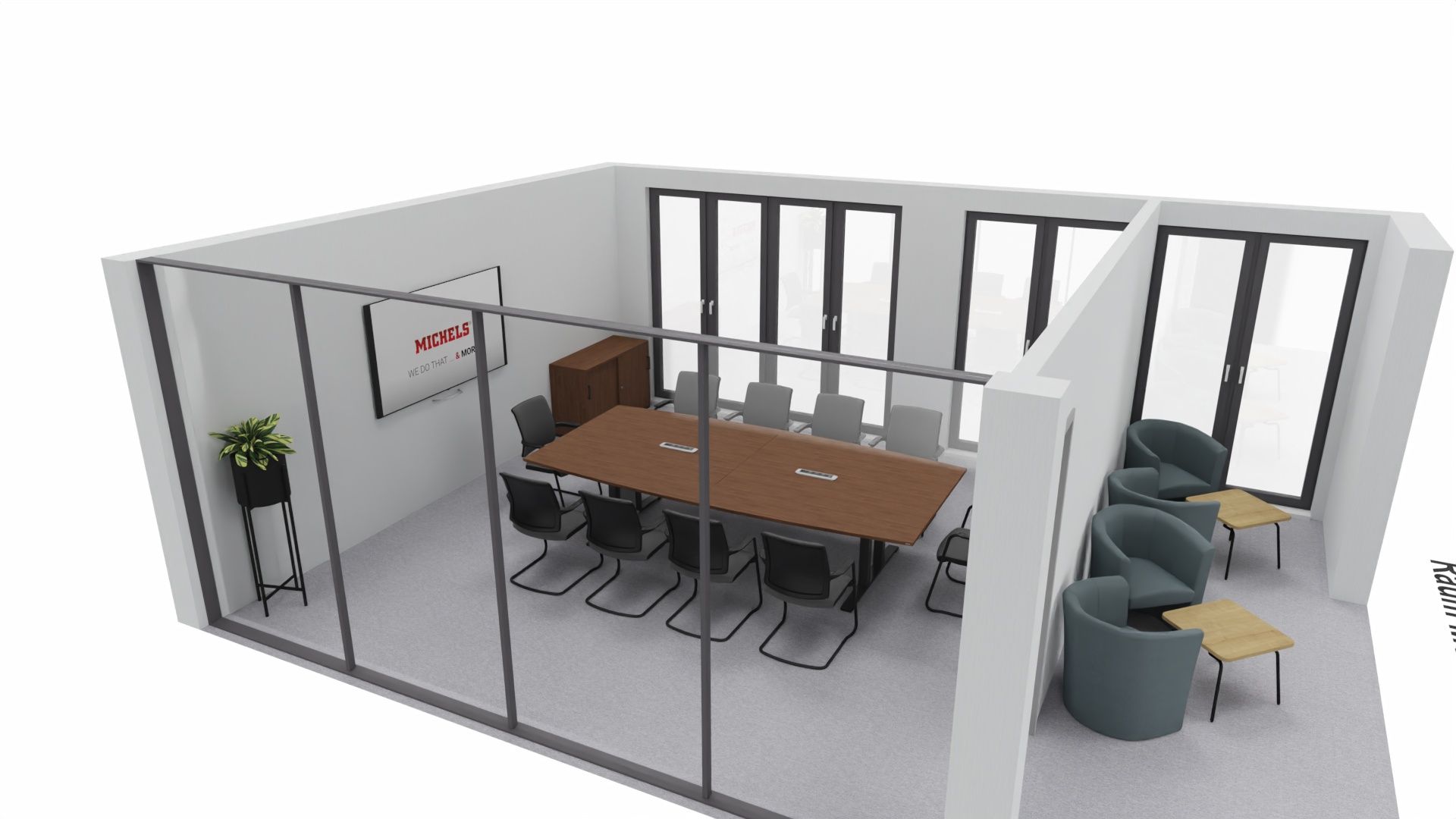
Büroeinzug geplant? Wir liefern Möbel, Bürobedarf & Zubehör – alles aus einer Hand. Jetzt Beratung anfragen & stressfrei einrichten.
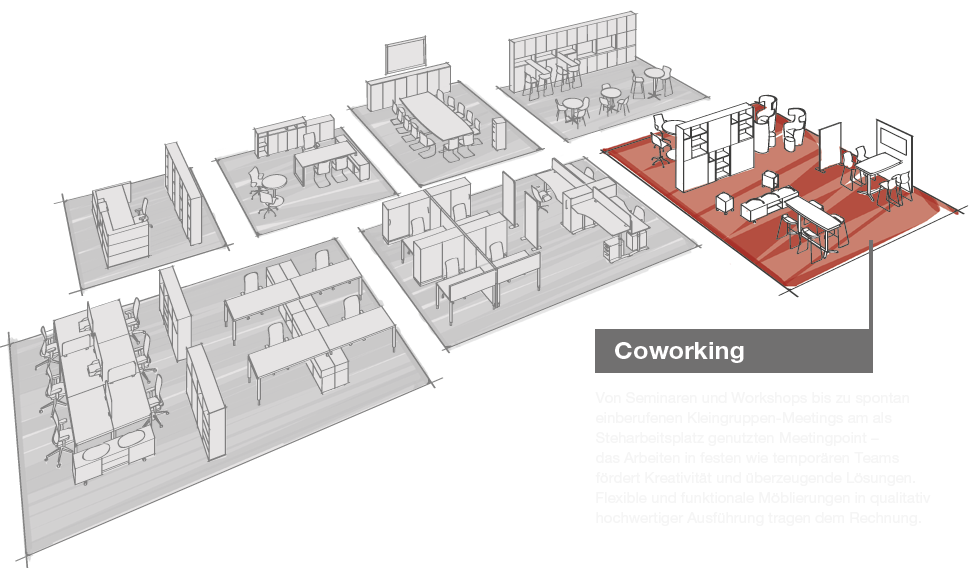
Agile Teams, hybrides Arbeiten und der Wunsch nach Sinn verändern, wie wir arbeiten – und wie unsere Büros aussehen müssen. Wir zeigen, was moderne Büroplanung leisten kann. Homeoffice war der Anfang – New Work ist die Konsequenz. Die Art, wie wir arbeiten, hat sich verändert. Doch viele Büros sehen noch aus wie 2010: starre Tische, schlechte Akustik und zu wenig Raum für Begegnung. Moderne Büroplanung geht heute weiter: Sie fördert Zusammenarbeit, ermöglicht Rückzug , stärkt die Unternehmenskultur – und wird zum echten Argument im Fachkräftemangel. Hier erfährst du, worauf es bei der Planung wirklich ankommt.
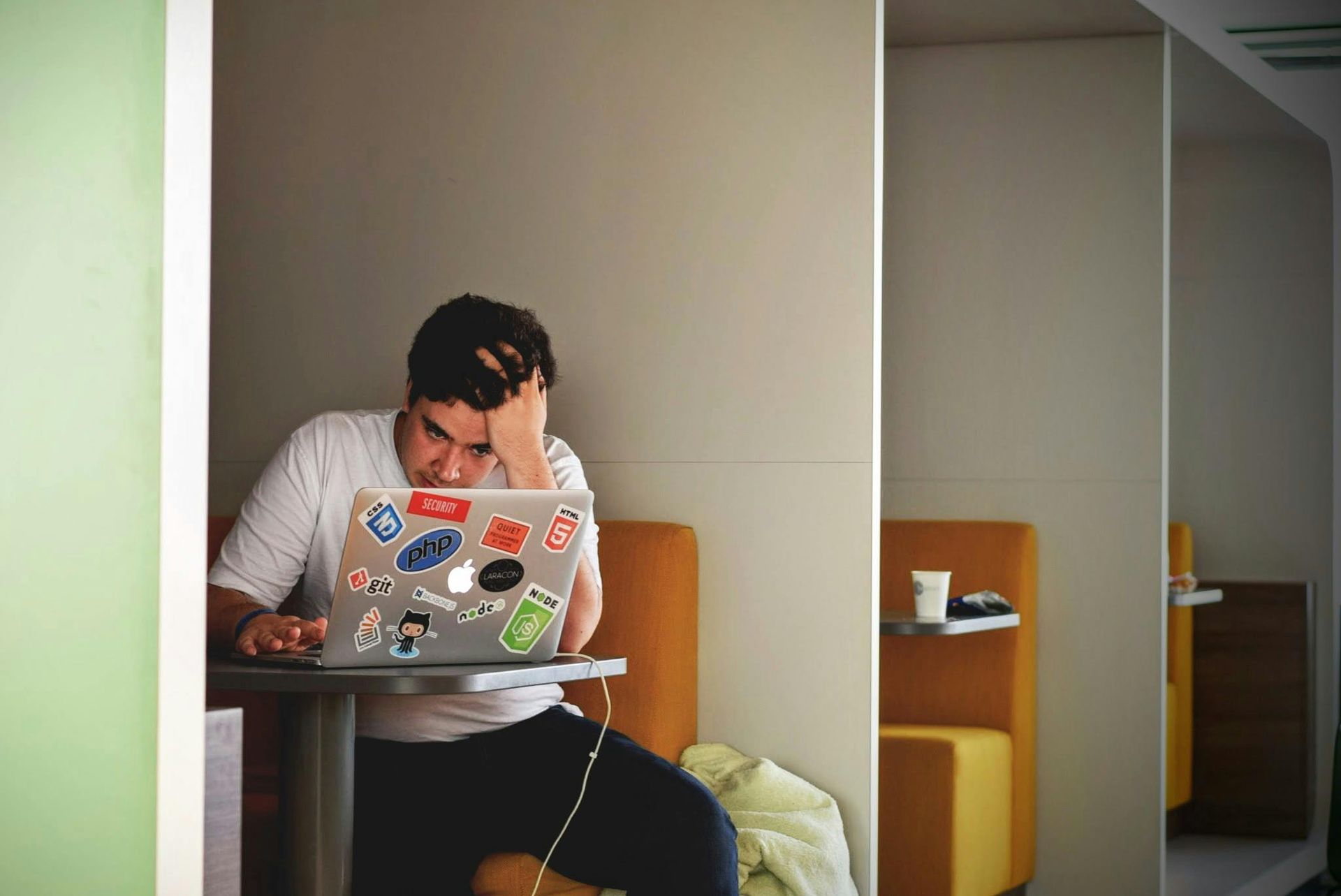
Homeoffice – Fluch oder Segen? Während viele die Freiheit schätzen, zeigen aktuelle Daten, dass das Arbeiten von zu Hause nicht immer gesund ist. Besonders wenn es an Struktur und Ausstattung mangelt.
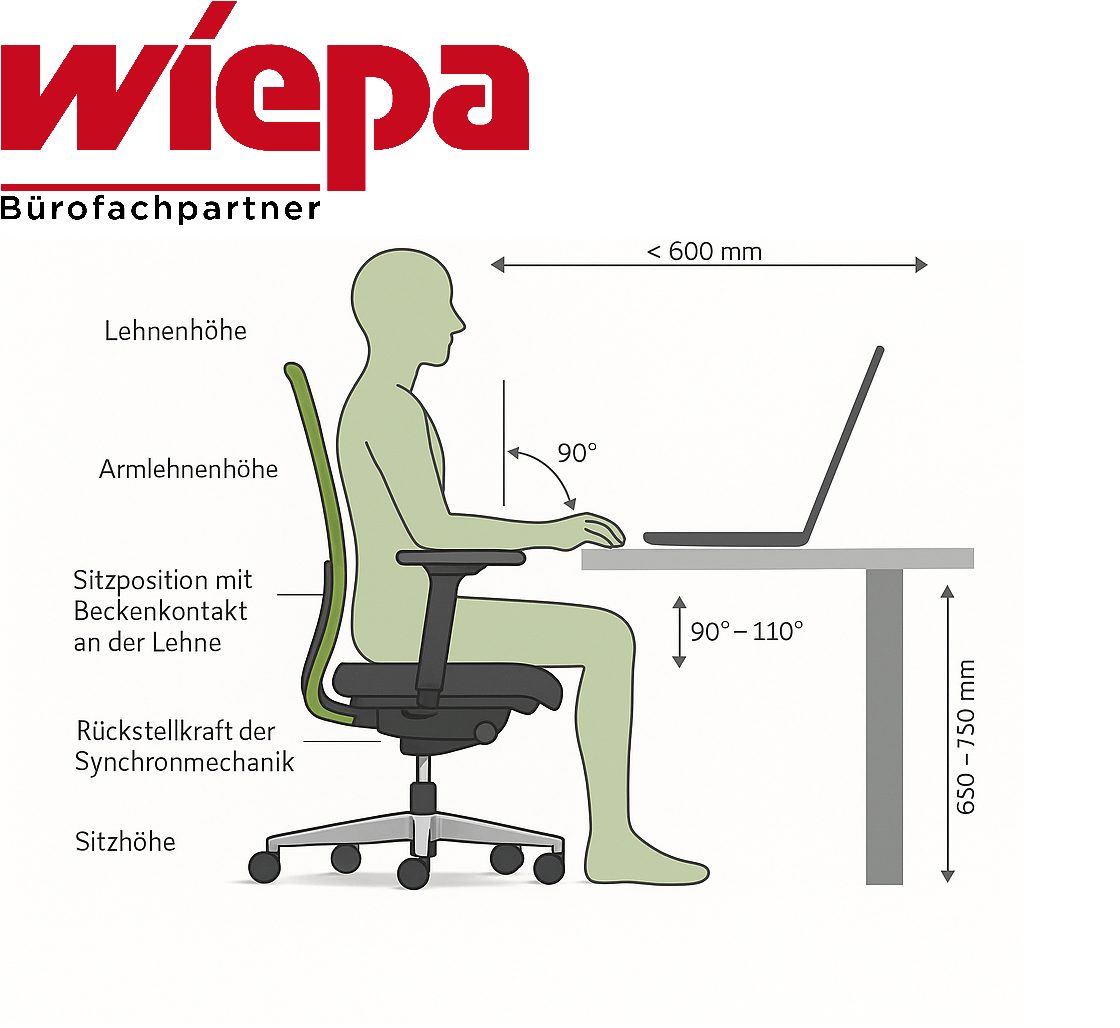
Wer täglich am Schreibtisch arbeitet, kennt das: Nacken zieht, Rücken meldet sich, die Augen werden müde. Meist liegt es nicht an „falscher Haltung“, sondern an falsch eingestellten Arbeitsplätzen. In diesem Guide erfährst du Schritt für Schritt, wie du Stuhl, Tisch und Monitor so einstellst, dass dein Körper entspannt arbeiten kann – mit klaren Richtwerten, einer Checkliste und schnellen Sofort-Fixes. Das Ziel: weniger Beschwerden, mehr Energie und produktiveres Arbeiten. Wenn du dir Unterstützung wünschst, bekommst du bei Wiepa in Wiesbaden eine ehrliche, herstellerunabhängige Beratung – inklusive Probesitzen und Lösungen für besondere Anforderungen.

Wer im Büro arbeitet, kennt das Problem: Man beginnt den Tag sitzend – und steht oft erst zum Feierabend wieder richtig auf. Laut der aktuellen OFFICE-ROXX-Studie 2024 sitzen deutsche Bürobeschäftigte im Schnitt 9,2 Stunden pro Tag – das sind 30 Minuten mehr als noch 2021.
Dieser Leitfaden bietet einen umfassenden Überblick über die wichtigsten Richtlinien und Normen für die Büroplanung im Jahr 2025.
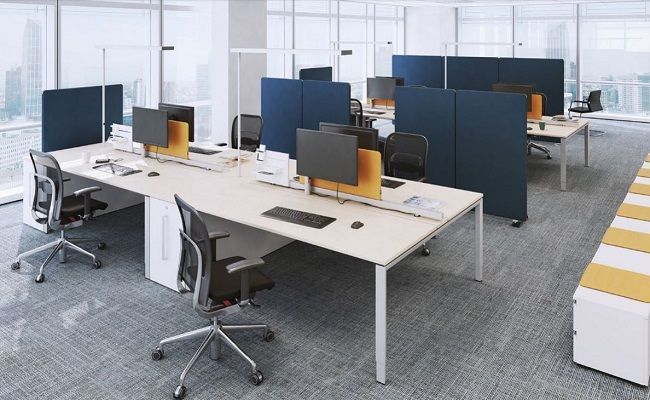
Was muss im Büro laut Arbeitsstättenverordnung vorhanden sein? Wir zeigen die 7 wichtigsten Pflichten – von Raumgröße bis Ergonomie
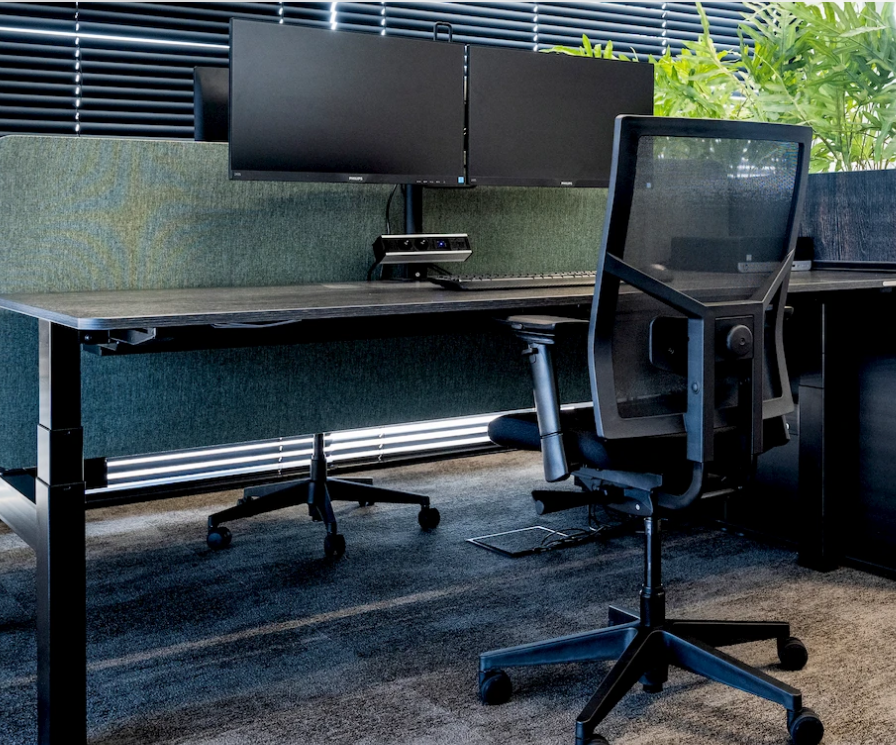
Entdecken Sie, wie Akustikelemente im Büro Ihre Produktivität steigern und das Wohlbefinden Ihrer Mitarbeiter verbessern. Erfahren Sie mehr über innovative Lösungen für eine bessere Büroakustik und gestalten Sie Ihre Arbeitsumgebung optimal!
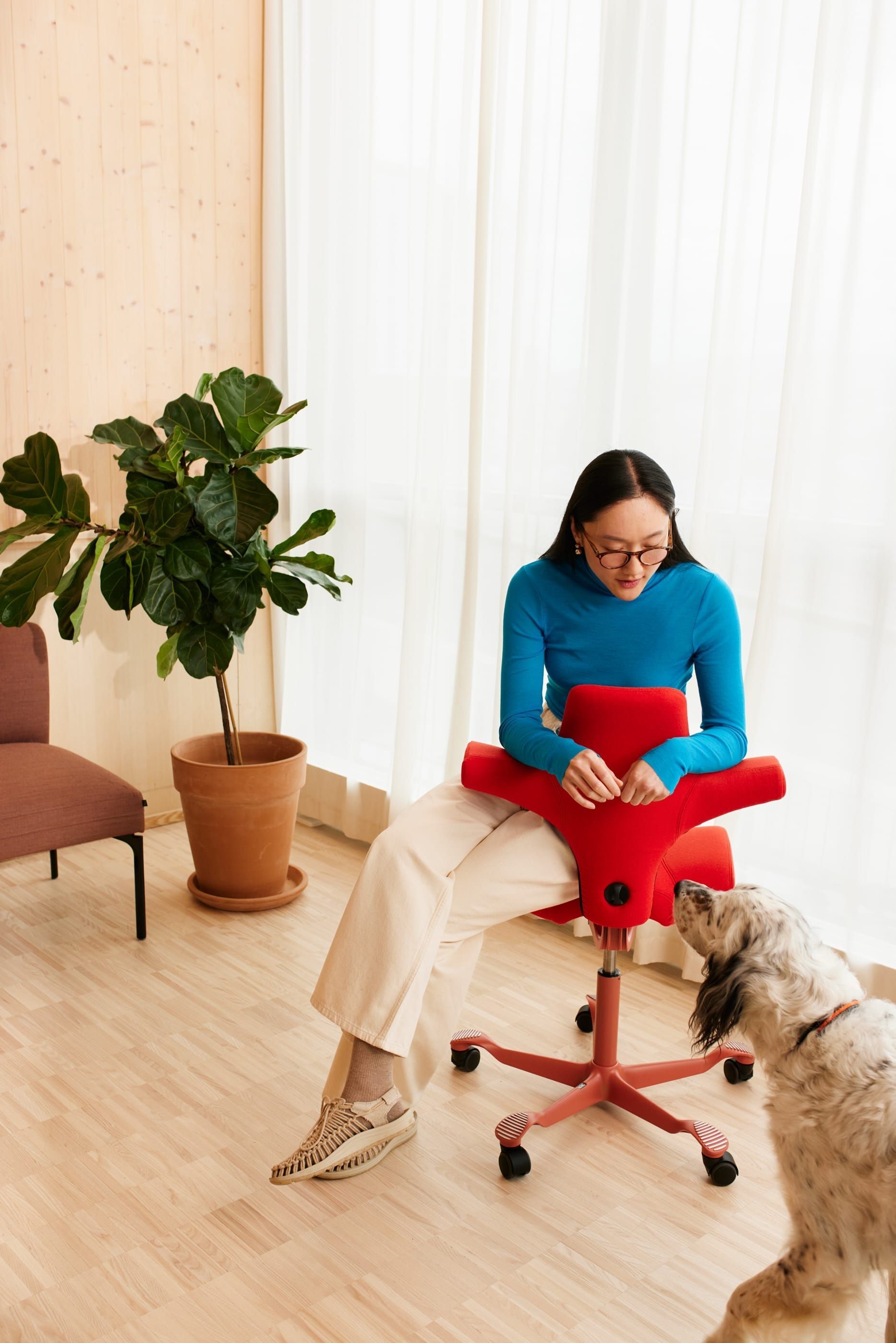
Bürostühle sind weit mehr als nur praktische Sitzgelegenheiten – sie prägen die Atmosphäre und Identität Ihres Büros entscheidend mit. Design, Komfort und Funktionalität sollten dabei perfekt aufeinander abgestimmt sein, um Ihre Arbeitswelt optimal zu unterstützen. Hier zeigen wir Ihnen, welcher Bürostuhl zu welchem Stil passt – für ein Büro, das nicht nur funktional, sondern auch inspirierend ist.

Welche Kosten für Homeoffice übernimmt der Arbeitgeber? Erfahren Sie hier alles über Ausstattung, Zu